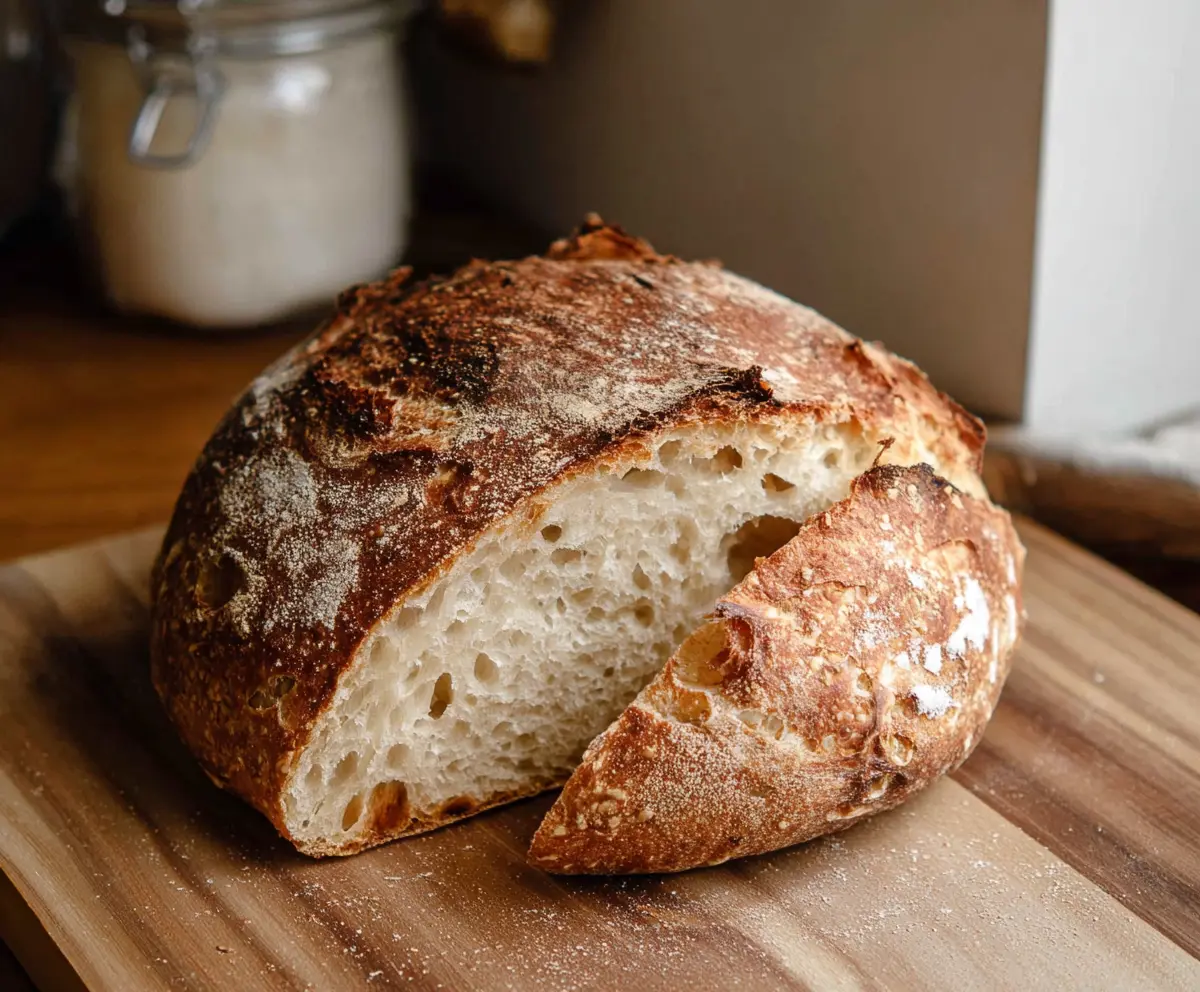
There’s something truly special about baking your own sourdough bread, and this Best Ever Sourdough Bread Recipe is just the way to do it. It’s got that perfect crunchy crust, chewy crumb, and a tangy flavor that only real sourdough can bring. The recipe breaks everything down step-by-step, so it’s easy to follow whether you’re a total beginner or just looking to up your bread game.
I love how this recipe takes the mystery out of sourdough baking. You don’t need any fancy equipment or complicated steps—just simple ingredients and a bit of patience. I find that watching the dough rise and bubble is almost like a little science experiment that makes the whole process feel so rewarding. Plus, there’s nothing like the smell of fresh bread filling your kitchen.
One of my favorite ways to enjoy this bread is warm from the oven with a little butter melting on top. It’s perfect for sandwiches, toast, or just eating plain because that tangy flavor shines on its own. If you’re looking to impress your friends or just want a comforting project to do at home, I’m pretty sure this sourdough bread recipe will become your new favorite.
Key Ingredients & Substitutions
Bread Flour: This is key for sourdough’s chewy texture and good rise. You can substitute with all-purpose flour, but the bread might be less chewy and have a softer crust.
Water: Room temperature water helps activate the starter without shocking it. Filtered water is best since chlorine can weaken the starter’s bacteria.
Sourdough Starter: This is the heart of your bread. If you don’t have one, you can make your own or find one from a friend or bakery. For a milder flavor, feed your starter more frequently.
Salt: Essential for flavor and to control fermentation. You can use kosher, sea salt, or regular table salt, just adjust the amount if it’s super fine.
How Do I Nail the Stretch and Fold Technique?
This step helps strengthen your dough without heavy kneading. It’s simple but important for good gluten development and a lovely open crumb.
- Wet your hand slightly to avoid sticky dough.
- Reach under one side of the dough, gently stretch it upward without tearing, and fold over the top.
- Turn the bowl and repeat this 3 more times, covering all sides.
- Do this every 30 minutes during the first 2 hours of bulk fermentation.
This gradual folding makes the dough stronger, traps air, and gives that airy texture we love in sourdough bread. Taking it slow here will really pay off!
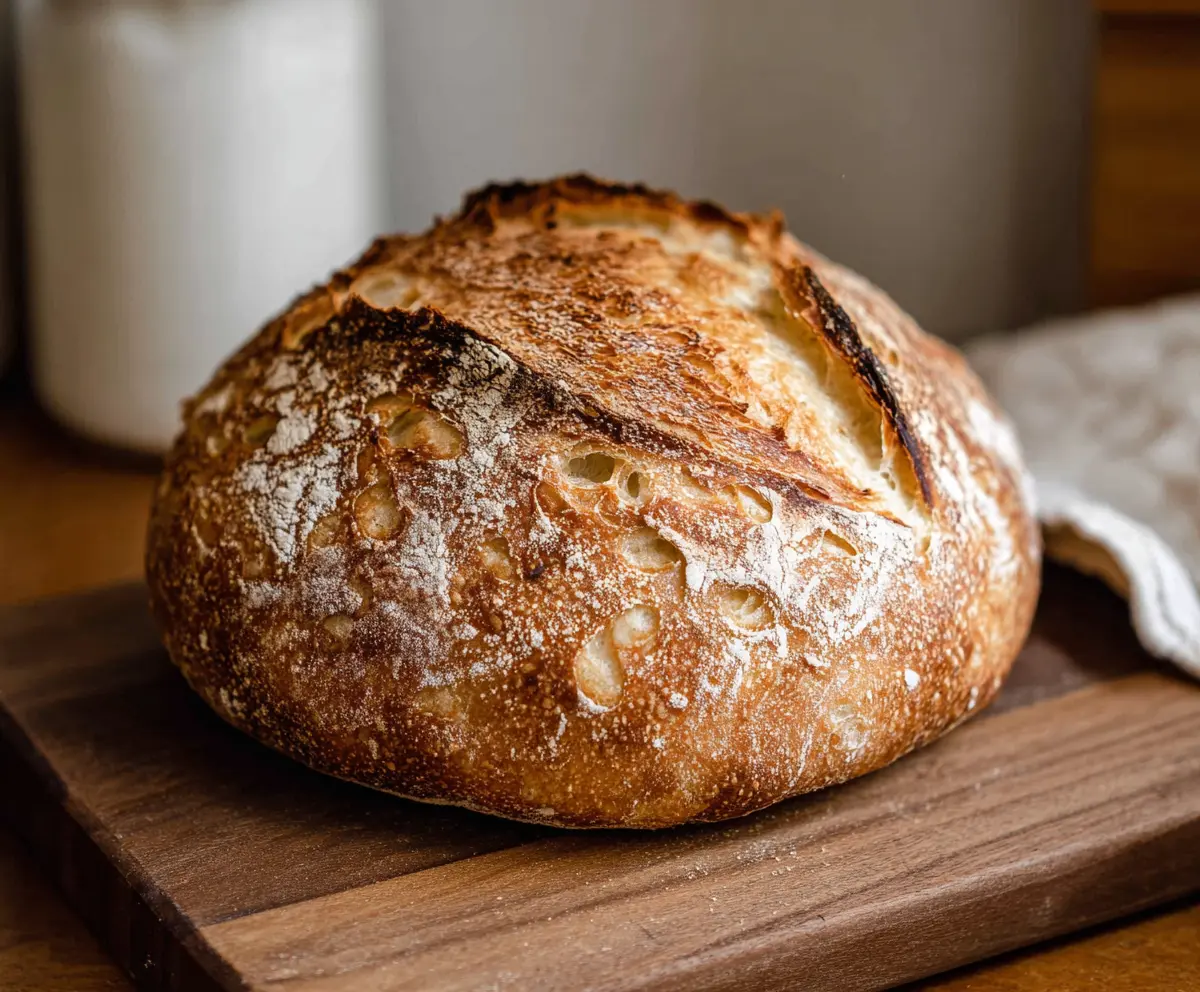
Equipment You’ll Need
- Large mixing bowl – big enough for the dough to rise and stretch comfortably.
- Bread lame or sharp knife – for scoring the dough to help it expand in the oven.
- Dutch oven with lid – traps steam to create a crispy crust and keeps the bread moist.
- Banneton or bowl with a floured towel – helps your dough keep its shape while proofing.
- Kitchen scale – for precise measurements, which is key to successful sourdough baking.
Flavor Variations & Add-Ins
- Add 1/2 cup chopped olives or sun-dried tomatoes for a Mediterranean twist with a burst of flavor.
- Mix in 1/4 cup whole grains or seeds like flax, sunflower, or pumpkin for texture and nuttiness.
- Swap out 1/4 of the bread flour for whole wheat flour for a heartier, earthier bread.
- Stir in fresh herbs like rosemary or thyme for a fragrant, savory note that pairs great with butter.
Best Ever Sourdough Bread Recipe (Step-by-Step)
Ingredients You’ll Need:
Main Ingredients:
- 500g (about 4 cups) bread flour
- 350g (about 1.5 cups) water, room temperature
- 100g active sourdough starter (fed and bubbly)
- 10g (about 2 tsp) salt
How Much Time Will You Need?
This recipe needs about 30-45 minutes of active prep time, plus 4 to 6 hours for fermenting the dough (bulk fermentation), and another 2 to 4 hours for proofing—or overnight if you prefer a slow, cold proof in the fridge. Baking takes about 40 to 45 minutes. Because sourdough rises slowly, plan your time accordingly, but the process is very hands-off after the initial mixing.
Step-by-Step Instructions:
1. Mix the Dough:
In a large bowl, combine the bread flour and room temperature water. Stir until everything is just mixed—the dough will be shaggy and sticky. Cover the bowl with a cloth and let it rest for 30 to 45 minutes. This rest is called autolyse and helps the flour absorb water, improving texture.
2. Add Starter and Salt:
After the rest time, add your active sourdough starter and salt. Mix them into the dough by folding and pinching until everything is well combined. This may feel sticky but keep going until the starter and salt are evenly distributed.
3. Bulk Fermentation with Stretch and Folds:
Cover the bowl and let the dough ferment at room temperature (about 70-75°F or 21-24°C) for 4 to 6 hours. Every 30 minutes during the first 2 hours, perform a set of stretch and folds: wet your hand to avoid sticking, reach under the dough, gently stretch it upward without tearing, and fold it over itself. Do this 4 times around the bowl to strengthen the dough.
4. Shape the Dough:
After bulk fermentation, turn your dough onto a lightly floured surface. Fold the edges into the center and flip it over to form a tight round loaf. Let it rest for 20 minutes to relax, then reshape it again for a tighter skin.
5. Proof the Dough:
Place your shaped dough seam-side up in a well-floured banneton or a bowl lined with a floured towel. Cover it and let it proof for 2 to 4 hours at room temperature, or place it in the refrigerator overnight to develop deeper flavor.
6. Preheat Oven and Dutch Oven:
At least 30 minutes before baking, preheat your oven to 450°F (230°C), placing a Dutch oven with its lid inside to heat it thoroughly.
7. Score and Bake:
Carefully turn your proofed dough seam-side down onto a piece of parchment paper. Using a sharp knife or bread lame, make a few shallow cuts on the top to help the bread expand while baking. Place the dough with parchment into the hot Dutch oven, cover with the lid, and put it in the oven. Bake covered for 20 minutes.
8. Bake Uncovered:
Remove the Dutch oven lid and continue baking for another 20-25 minutes until the crust is deep golden brown and crunchy.
9. Cool Before Slicing:
Take the bread out and let it cool completely on a wire rack for at least 1 hour. Cooling helps the crumb to set properly, making it easier to slice.
Enjoy the delicious aroma, crispy crust, and airy crumb of your homemade sourdough bread fresh from your own oven!
Can I Use Frozen Sourdough Starter?
Yes! Just thaw it in the fridge overnight and feed it a couple of times to reactivate before using it in your dough. Make sure it’s bubbly and active for best results.
How Should I Store Leftover Sourdough Bread?
Store it in a paper bag or bread box at room temperature for up to 3 days. For longer storage, slice and freeze the bread in an airtight bag—you can toast slices directly from the freezer.
Can I Proof the Dough in the Refrigerator?
Absolutely! Proofing overnight in the fridge slows fermentation and develops deeper flavor. Just take the dough out about 1 hour before baking to come back to room temperature.
What if I Don’t Have a Dutch Oven?
No worries! You can bake your sourdough on a preheated baking stone or heavy baking sheet. To create steam, place a pan of hot water in the oven or spray water on the oven walls when you put the bread in.